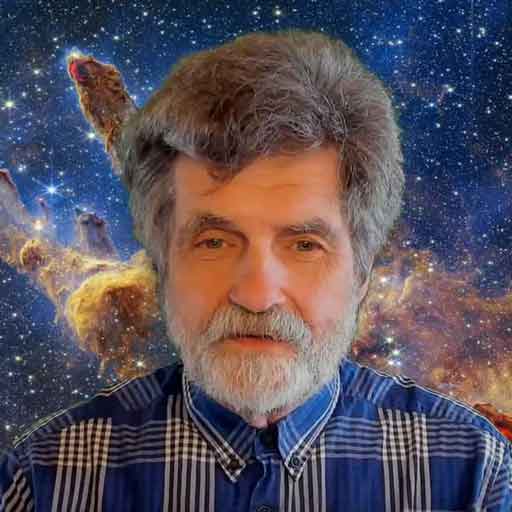
Tom will perform during Coal Creek Festival in Korrumburra, Victoria, on 29 November 2026. The program is dedicated to love and peace on Earth and includes Tom's "Dream of Peace" composition
Dream of Peace Concert 30/8/2026
When words divide, music unites. The Dream of Peace Concert is a musical reminder that humanity's greatest strength lies in love, peace, and harmony. May the music of this concert awaken these timeless qualities within us and inspire us to carry them into the world.
Concert 19 April 2026
From the refined beauty of classical music to the rhythmic pulse of Brazil, the soul of jazz, the passion of Spanish guitar, and the charm of popular ballads, Groove & Grace is a musical journey across genres, cultures, and emotions
Bach's Birthday Concert 2026
Bach's birthday concert is a celebration of the music of Johann Sebastian Bach (1685–1750) and its legacy.
Concert 23 March 2025
Sounds of the Centuries...We begin in the 13th century, about 500 years before Bach, and conclude with music from the 21st century. The program will showcase some of the most iconic compositions that reshaped the course of music history and elevated the Spanish classical guitar to a prominent place on concert stages worldwide. Among these masterpieces is Concierto de Aranjuez (II Adagio), a work that has become a symbol of the guitar's emotional depth and global appeal.
Concert 21 April 2024
Let's go .... FANDANGO
Tom will perform the most famous FANDANGO in the history of music with his own cyber-orchestra, along with other famous melodies and his own recent compositions.
Mount Best Maestro
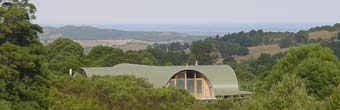
Mount Best has been home to Dr. Tom since 2001, and he has brought a touch of magic to our area through his incredible talent and passion for classical guitar.
Concert 18 Nov 2023
On the subject of Love:
Songs, Romances and Serenatas. Tom will enchant you with a selection of beloved melodies, romances, and serenatas, complemented by his own recent compositions.
The program features Serenata Española by Joaquin Malats (1872-1912), arranged by Tom for guitar and orchestra.
Concert 22 April 2023
Celebration of Life: Guitar Music for the Soul
Tom will play some of the most famous melodies in the history of music along with his own recent compositions. The program features Vivaldi Lute Concerto in D, which Tom will perform with his cyber orchestra.
Tom Chalko Compositions
Compositions for guitar solo. Recordings of some of the Preludes have been used in the documentary "The Dance of the Lyrebird" by Tessy and Berndt Amesriter.
Other Concerts
Guitar Concerts of Tom Chalko. If you want to organize a concert or book your private guitar concert at home please contact Tom
About Tom
Born in Poland in 1951, Dr Chalko holds a Masters degree in Engineering (since 1975) and a PhD in Laser Holography (since 1979). He has been a resident of Australia since 1982.